
Westmoreland County Death Records
Westmoreland County death records are accessible through county and state sources in southwestern Pennsylvania. The county seat is Greensburg. Westmoreland County was formed on February 26, 1773 from part of Bedford County, making it one of Pennsylvania's original counties. It was named for Westmorland, a county in northern England. About 80 percent of Westmoreland County is forest or farmland. State death indices from 1906 to 1975 are free to search online through the PA State Archives. Pre-1906 records are held at the county Register of Wills office in Greensburg.
Westmoreland County Quick Facts
Westmoreland County Death Records Overview
Westmoreland County is one of Pennsylvania's oldest counties, established in 1773. It covers a large area in southwestern Pennsylvania, with Greensburg as the county seat. The county is known for the Ligonier "Diamond," a historic town center in Ligonier that has been a commercial hub for the area since the eighteenth century. Cross-country skiing in the Great Laurel Mountains is one of the recreational activities available in the county's more elevated western sections. The county's landscape is primarily forest and farmland, reflecting its agricultural and natural character.
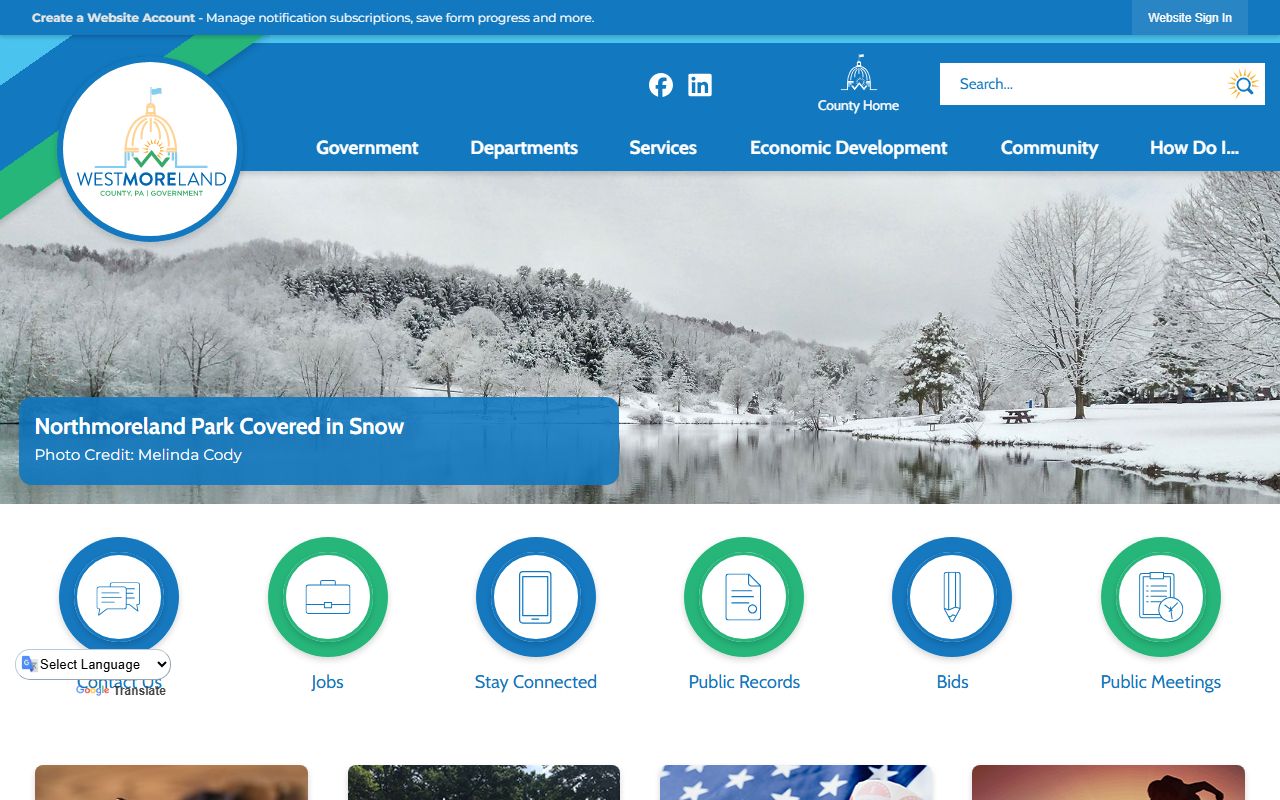
The official Westmoreland County website provides access to county departments and services. Row offices include the Register of Wills, which handles estate matters and early vital records. Death records from 1893 to 1905 are at the county courthouse in Greensburg. For deaths from 1906 to 1975, use the free PA State Archives death index online. Visit the PA State Archives death indices page to search Westmoreland County records. For deaths after 1974, use the PA Department of Health vital records page.
Westmoreland County death records are indexed in the state system from 1906 to 1975. The county Register of Wills maintains pre-1906 records at the Greensburg courthouse. Death certificates from 1906 onward are available through the PA Division of Vital Records in New Castle. The county also holds a long history of probate records going back to its founding in 1773.
Note: Westmoreland County was formed from Bedford County in 1773. Families with roots in the area before 1773 may have records in Bedford County's archives.
Westmoreland County History and Vital Records
Westmoreland County was formed during the Revolutionary War period, making it one of Pennsylvania's oldest political units. Named for Westmorland, England, the county covers a large swath of southwestern Pennsylvania that includes the Laurel Highlands and the valleys below. Greensburg became the county seat and developed into a regional commercial and judicial center. Fort Ligonier, in the town of Ligonier, dates to the French and Indian War era and is one of the county's most significant historic sites.
The county's formation from Bedford County means that records for the area before 1773 are in Bedford County. After 1773, all official Westmoreland County records are in Greensburg. Probate records from the county's earliest decades reflect the settlement of southwestern Pennsylvania in the post-Revolutionary period. Many early families were from Virginia and Maryland as well as from eastern Pennsylvania and Europe. This mixed heritage is reflected in the surnames and naming traditions found in early Westmoreland County records.
Coal mining became a major industry in the county during the nineteenth and twentieth centuries. Many immigrants from eastern and southern Europe settled in the coal communities of Westmoreland County. These families contributed to the county's population growth and are well represented in death records from the early twentieth century. The state death index covers Westmoreland County from 1906 to 1975, capturing the full range of this diverse population. Digital images of death certificates from 1906 to 1972 are on Ancestry.com. Pennsylvania residents can access Ancestry.com free at public libraries through a statewide program.
Note: Westmoreland County's coal mining communities brought many European immigrant families to the region. The Soundex indexing method used for 1920-1924 and 1930-1951 is helpful when searching for immigrant surnames with variant spellings.
Accessing Westmoreland County Death Records
For deaths from 1893 to 1905, contact the Westmoreland County Courthouse in Greensburg. The Register of Wills is the right office. Provide the full name of the deceased and an approximate year. Staff can search the registers and provide copies. Mail requests are accepted. The PA State Archives holds microfilm of early Westmoreland County vital records for researchers who cannot travel to Greensburg.
For deaths from 1906 onward, start with the free PA State Archives death index. Two indexing methods apply. Deaths from 1920 to 1924 and from 1930 to 1951 use the Russell Soundex method. All other years use alphabetical order. Once you find the State File Number, order the certificate from the right source. The PA State Archives holds original certificates from 1906 to 1974. For deaths from 1975 onward, use the PA Division of Vital Records in New Castle.
Certified copies cost $20 each. Mail requests to PO Box 1528, New Castle, PA 16103. Phone: 724-656-3100 or 844-228-3516. Online orders go through VitalChek at mycertificates.health.pa.gov. Walk-in service runs Monday through Friday from 8 a.m. to 4 p.m. The Pittsburgh office is the closest walk-in location for Westmoreland County. Death certificates become public records 50 years after the date of death.
Note: For Westmoreland County families before 1893, estate records at the Register of Wills and church records are the primary sources for death information. The Register of Wills holds probate files going back to 1773.
Nearby Pennsylvania Counties
Westmoreland County borders several counties in southwestern Pennsylvania. Check neighboring county records if your ancestor lived near a county border.